
Sonic Endurance
Personalized Training
Unlock Your Potential
|
Sonic Endurance is dedicated to helping athletes of all abilities achieve their endurance goals. We understand that no two athletes are alike and the response to training is an individual process. We regularly incorporate field-based testing and functional movement testing in order to assess an athlete’s progress towards their goals. It is our mission to develop a plan that uses your training time efficiently while preparing you to accomplish or exceed your goals.
Sonic Endurance
Personalized Training
Unlock Your Potential
|
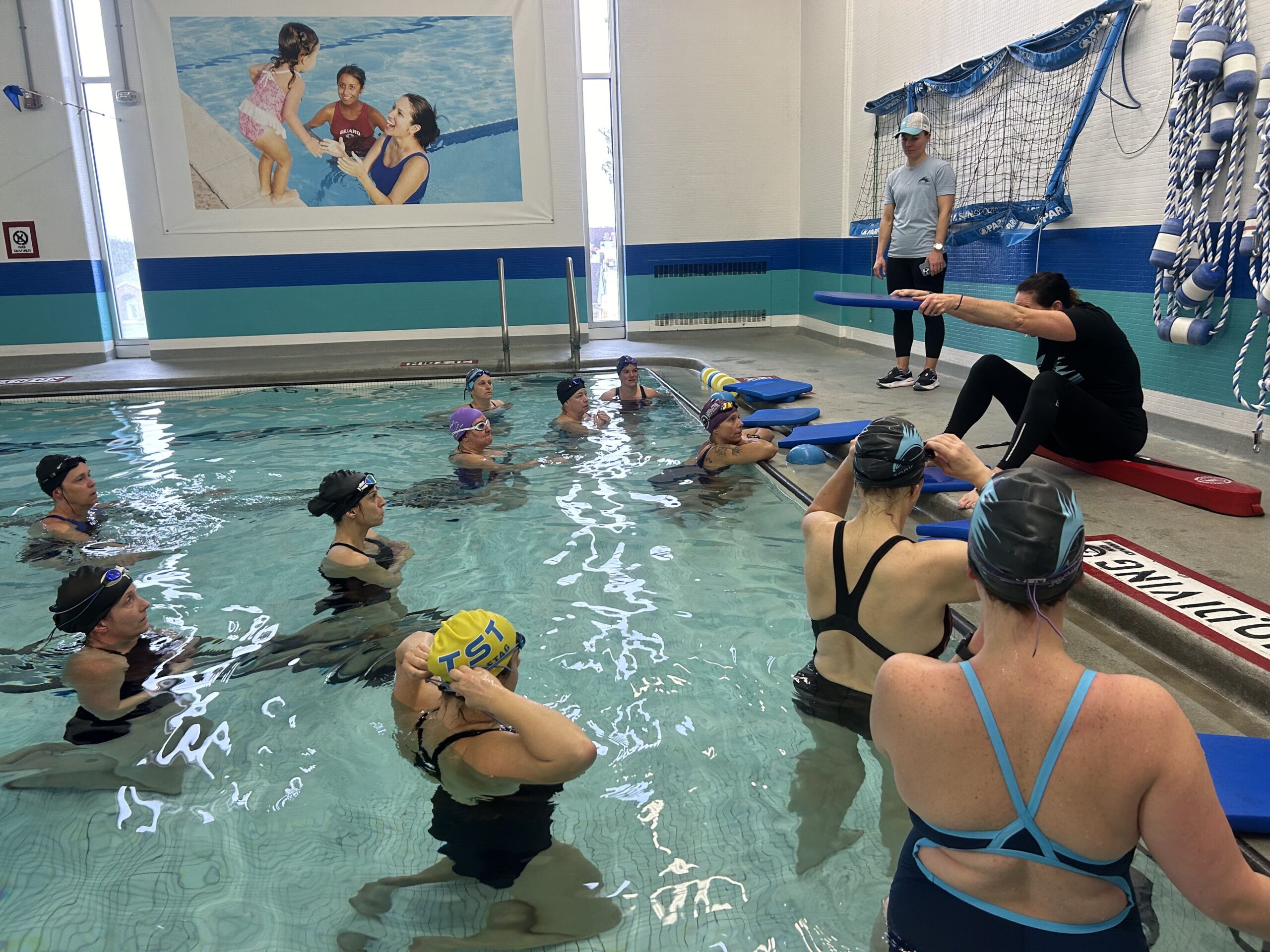
It all begins with culture—and Sonic’s culture stands above the rest. Coaches and athletes unite as a team, supporting one another through training, overcoming challenges, and pursuing personal goals. At the heart of Sonic’s success are acceptance, mutual respect, and a deep appreciation for each athlete’s individuality. The coaches are not only highly knowledgeable but also genuinely invested in helping you achieve your goals.
Through strategic partnerships with athletic trainers, physical and occupational therapists, training camps and trusted vendors, Sonic ensures every aspect of your training experience is optimized for your success.
At Sonic, every finish line marks a victory over your personal limits.
I signed up with a Sonic coach to improve personally as a triathlete, and almost immediately I started training smarter. I was working harder in many sessions, but I was also less tired overall at the end of the week. I was meeting my primary goal of sustainable fitness for years to come, and as a nice bonus my race times improved dramatically!
But more importantly what I have gained from Sonic, which I didn't know I needed, is a culture of community and support. This is a team focused on affirming each others' wins no matter what they look like, providing support through successes and challenges, and generally bringing a positive attitude to endurance sports. I came for myself, but I'm now proud to be a part of this team team!
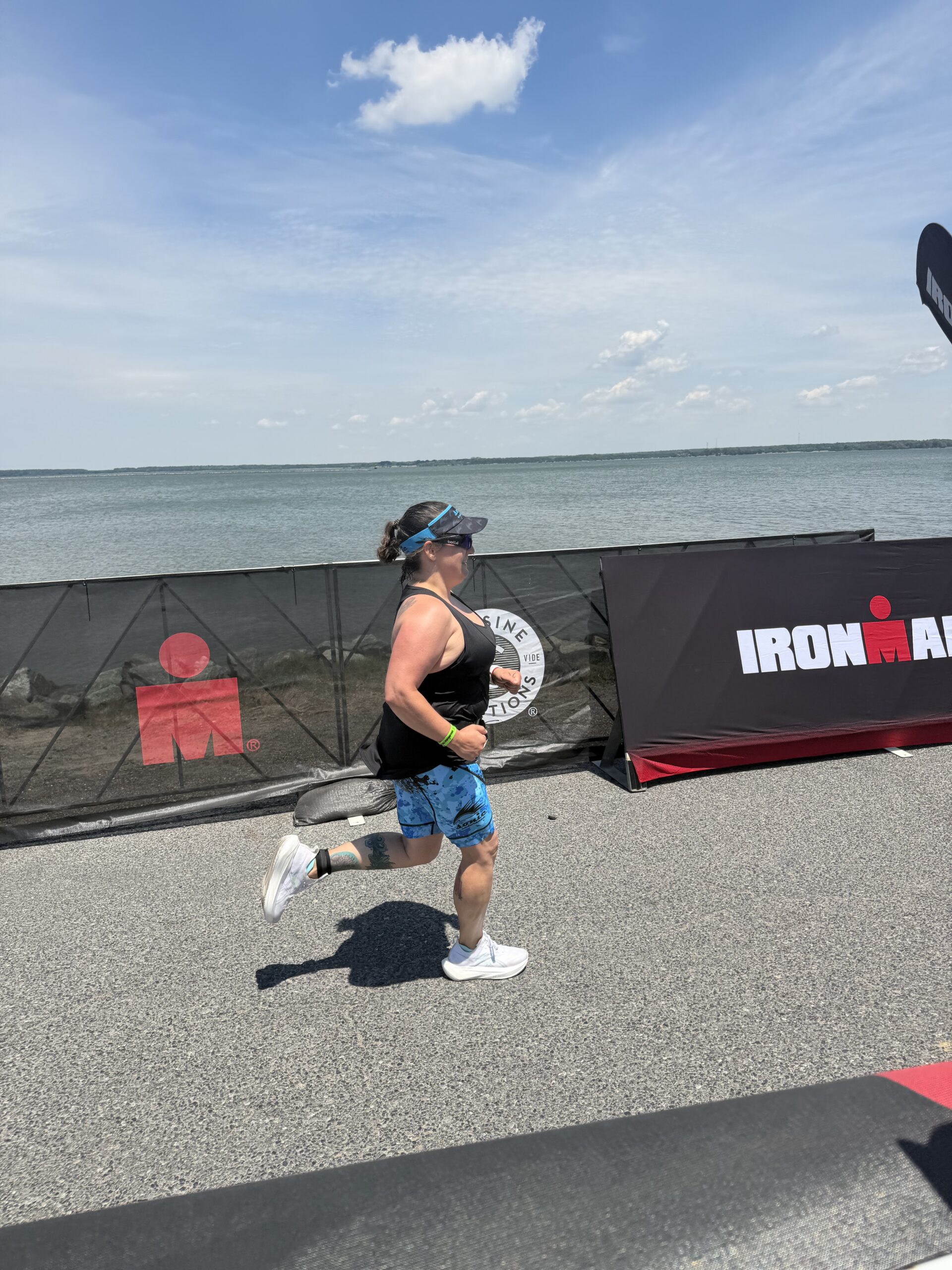
My Journey all start in the summer of 2021 when I found myself unhappy with my current fitness level. I had not seen a gym in roughly 10 years, or even attempted any type of cardio workout. I set my goals a bit high without really knowing what I was getting myself into. I registered for my first full Ironman in Lake Placid! In this process I found Sonic Endurance and started working with Maribeth. One of my first times meeting Maribeth, was also my first time EVER swimming in a lap pool, and it showed! Maribeth evaluated my skill level, and spent countless hours teaching me how to swim, while improving my technique and endurance. Swimming was my absolute biggest challenge of the three disciplines. Maribeth was always available for encouragement, support and a good laugh throughout my journey. Working with Maribeth not only kept me accountable, but without her, my goals would not have been met. From Swimming, biking, running to fueling properly for races, Maribeth was there every step of the way. I have continued to work with her as my Endurance coach now for 4 years and have never felt more accomplished in my endurance goals! Working with Maribeth and Sonic has given me some of the best years of my life, the value of working with Maribeth one on one is priceless. Forever grateful!
Joining the Sonic Endurance team and being a 1 on 1 coached athlete has been a life changing experience. I achieved goals I never even dreamed of, including my first full Ironman finish. Coach Stacey gave me the confidence to sign up for Ironman Lake Placid and with her guidance, I never once thought I would not finish. On top of that, the Sonic team has literally become some of my closest friends and chosen family.
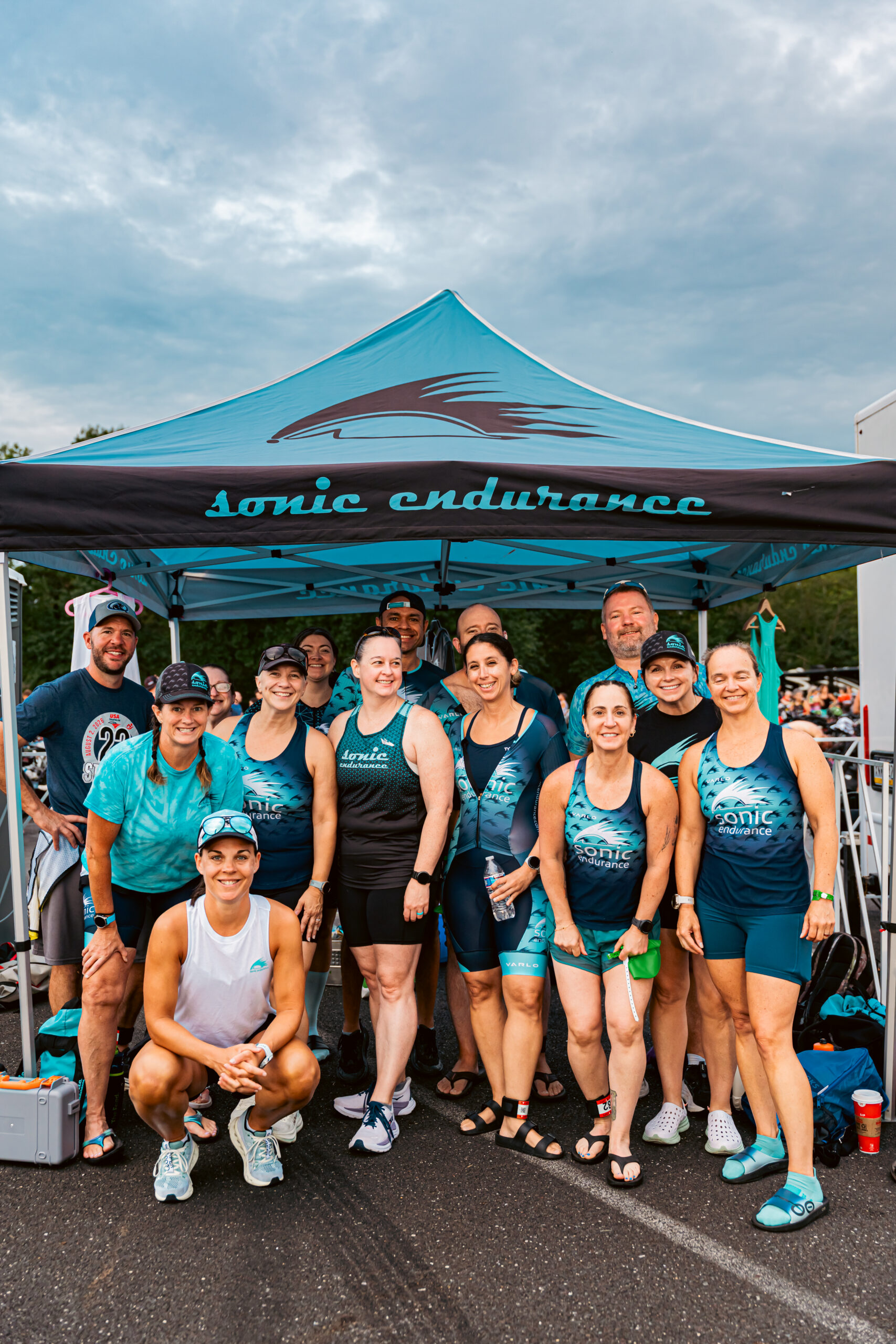
Sonic Endurance is more than a coaching company.
Sonic Endurance is a collection of like-minded individuals
We’re Endurance Coaches – and we are athletes. We like to get our hands dirty. We train, we race, we fail, and we succeed. We understand what you experience throughout your seasons of training and racing because we are right there beside you, on the same journey.
Through years of training, racing, and coaching, we’ve learned our athletes benefit most from a team approach. We each bring something different to the table and want you to benefit from each perspective. You’ll have your 1-on-1 coach, combined with the knowledge, experience, and expertise of all our coaches. Together, we bring our passion for triathlon to coaching in support of your goals and behind the process of uncovering your potential.
Join Our Team
Sonic Endurance
Our Mission & Visions
Our Articles
Coach Debra
It took me a while but I found my calling in teaching. I have been teaching in one form of another since 2004, whether it is teaching physical activity, or in an academic setting. Coaching to me is another form of teaching. I am teaching my athletes how to meet their goals. Which is the other reason I coach. I love to set goals and help individuals..
Coach Jen
My number one motivation in coaching is to help my athletes achieve their goals. Often these goals are big and scary and beyond what they thought was possible. There is absolutely no better feeling than getting that text that they nailed their key race, or being on the course when they accomplish something huge. It’s incredibly rewarding.
Coach Laura
I get such a sense of joy seeing my athletes achieve things that they once thought were out of reach. It is amazing to me to watch the development not only in their technical skills and endurance abilities, but also to see their confidence take shape. I am grateful to each one of my athletes for allowing me to be a part of their journey.
Beating the Blues
Beating the Blues When the Time Changes: How Endurance Athletes Can Keep Their Spark When the Days Get Darker As endurance athletes, we know that fall brings more than crisp air and colorful leaves — it brings shorter days, darker mornings, and early sunsets that can make even the most dedicated runner or cyclist hit snooze. When daylight dwindles, motivation can fade, too. But just because the sun is clocking out earlier doesn’t mean your training (or your mood) has to. Here are some fun and practical ways to beat the seasonal blues and keep your endurance fire burning bright — no matter what the clock says. 🌅 1. Chase the Light (Literally) If you can, plan your runs or rides to catch the best daylight hours — think sunrise or lunch breaks. Even 15–20 minutes of natural light helps reset your circadian rhythm and gives your body a much-needed serotonin boost. Pro tip: If mornings are too dark, invest in a good headlamp and reflective gear — it’s amazing how much a bright beam and a bit of visibility bling can lift your spirits and keep you safe. 💪 2. Shift Your Focus — Not Just Your Schedule Shorter days are the perfect excuse to switch things up. Maybe swap long outdoor rides for indoor trainer sessions or trade tempo runs for strength and mobility work. You’ll stay strong, injury-free, and ready to crush it when spring rolls around. Think of this season as your base-building phase — it’s where champions are made quietly in garages and gyms while everyone else hibernates. 🎧 3. Make It Social and Fun Darkness feels less daunting when you’re not facing it alone. Join a group for running or cycling, or create a virtual accountability chat with friends. Knowing someone’s waiting for you on that frosty morning ride is powerful motivation. And don’t forget — your coach is a great resource this time of year. They can help adjust your training plan for changing daylight, suggest creative indoor workouts, and keep you mentally on track when motivation dips. Having that professional support can make a huge difference in consistency and confidence. And if you’re solo? Queue up an awesome playlist or podcast — something that makes you look forward to lacing up or clipping in. 🧠 4. Mind Your Mind Seasonal dips in mood are real. Exercise helps, but so does mindfulness and recovery. Try adding a quick stretch, meditation, or gratitude journal after workouts. It’s a simple way to anchor your mental health alongside your physical fitness. And yes — sleep matters. The darker season is your body’s gentle reminder to rest a little more. Listen to it. ☕ 5. Find Small Joys in the Season Lean into what makes fall and winter cozy: post-run coffee, fuzzy socks, and the satisfying sound of rain on the window after a hard session. You’ve earned those moments. Your training isn’t just about distance or watts — it’s about resilience, and that includes learning to thrive when conditions aren’t ideal. ✨ Bottom Line When the clocks fall back, your mindset can spring forward. Use this season to reconnect with your “why,” embrace new routines, and find joy in the grind. The days may be darker — but your goals, grit, and glow don’t have to be.
How to hire a coach
Fall tends to be the season for athletes to set intentions and goals for the upcoming year. Often as coaches, we see an uptick of inquiries during this time. Finding the right coach fit is important. As an athlete, you have big goals and getting the right support and guidance can be a game changer. So how do you find the right fit? It is important to interview coaches and find one that fits your goals, personality and your budget. Who needs a coach? Of course, in the business of coaching, we say anyone can benefit from a coach. Athletes hire a coach for a variety of reasons: Improve performance Accountability New distance or challenge Coming back from injury or illness Here are some important things to consider prior to talking with prospective coaches: What are you goals for the upcoming season? Knowing these and a list of potential or key races, can help guide your conversations Define what is important to you as the athlete in a coaching relationship. How often would you like feedback? Is there a limit to communication? How does the coach interact with the athlete? What is included – video analysis, group training, etc Is there a contract? Likewise coaches that you interview, should have questions that are important as well. A good coach is going to make your goals a priority and want to help you be successful. In talking with prospective athletes, we want to make sure that the timelines of their goals and expectations align with our coaching philosophy. Some of the things our coaches want to know: What kind of feedback are you looking for? Data analysis, emotional supprt, etc Your preferred communication or learning style? We have found that this ver y different depending on the athletes What motivates you? What would make this relationship a success? Athletes hire coaches for a variety of different reasons. A coach can help with an objective view of your training. They can be a support system for your goals and provide a community of like minded athletes. Looking for the 2026 season? Check out our coach bios here: About Us
Training for Triathlons While Traveling: The Road Warrior’s Guide to Racing Success
Being on the road up to half the time doesn’t have to derail your triathlon dreams. With the right strategies, flexibility, and mindset, you can maintain competitive fitness while managing a demanding travel schedule. Here’s how to make it work. The Traveling Triathlete’s Reality When you’re constantly moving between hotels, airports, and unfamiliar cities, traditional training plans fall apart quickly. The key is shifting from a rigid schedule to a flexible, opportunity-based approach that adapts to your environment while maintaining the core elements of triathlon fitness. Build Your Mobile Training Foundation Pack Smart, Train Anywhere Your travel kit should include these essentials: Resistance bands or suspension trainer Running shoes and basic workout clothes Swim goggles and cap Heart rate monitor or GPS watch Yoga mat or towel Portable recovery roller – I use this 18” one. These items fit in a carry-on and transform any space into a training ground. The 70-20-10 Training Philosophy for Travelers Adapt the classic endurance training model for travel: 70% Easy/Aerobic work: Can be done anywhere with minimal equipment 20% Threshold training: Hotel gyms, local pools, or park workouts 10% High-intensity: Short, equipment-free sessions perfect for tight schedules Discipline-Specific Strategies Swimming: Finding Water Everywhere Hotel pools become your friend. Even small pools work for technique and fitness. Practice flip turns every 12.5 yards, focus on stroke count, or do vertical kicking. Many business hotels have 20-25 yard pools perfect for interval training. Research local facilities. Day passes to community centers or health clubs often cost less than a nice dinner and provide full-length pools. Another great resourse is places to swim. Open water opportunities. Business trips to coastal cities offer chances for open water swimming. Always research safety, currents, and local regulations first. Cycling: Indoor Solutions and Urban Exploration Trainer apps are your salvation. Zwift, TrainerRoad, or Sufferfest provide structured workouts in hotel rooms with a portable trainer. Many hotels now have bike trainers or spinn bikes in their fitness centers. Urban bike shares. Cities with robust bike-sharing programs offer excellent opportunities for tempo rides and urban exploration. CitiBike in New York, Divvy in Chicago, or similar programs can substitute for training rides. Hotel gym alternatives. Stationary bikes aren’t ideal, but they work for maintaining cardiovascular fitness and leg strength. Focus on cadence work and interval training. Running: The Universal Training Tool Running is your most reliable travel discipline. Every destination offers running opportunities, from hotel treadmills to exploring new cities on foot. Scout your routes immediately. Upon arrival, identify safe running routes near your hotel. Hotel concierges are excellent resources for local running recommendations. Embrace treadmill mastery. Use treadmills for precise interval training, hill repeats, and tempo runs. The controlled environment is perfect for focused sessions. City exploration runs. Turn sightseeing into training by running to landmarks, through parks, or along waterfronts. It’s efficient and memorable. Sample Weekly Travel Training Schedules Week 1: Base Building on the Road Monday (Travel day): 30-minute easy run exploring new city 15 minutes stretching/mobility in hotel room Tuesday: 45-minute swim at local pool (technique focus) 20-minute resistance band strength circuit Wednesday: 60-minute bike trainer session (endurance) Core work in hotel room Thursday: 40-minute tempo run Travel day recovery stretches Friday: 30-minute swim intervals Easy 30-minute bike spin Weekend: Long run exploring city (90+ minutes) Long bike ride (trainer or local rental) Week 2: Build Phase Monday: 30-minute run with strides Strength circuit (bodyweight/bands) Tuesday: 50-minute swim with interval set Yoga/mobility work Wednesday: 75-minute bike session (tempo intervals) Core strengthening Thursday: Run intervals (track or measured course) Recovery activities Friday: Short swim (technique/easy) Travel day prep Weekend: Brick workout: Bike-run combination Longer swim session Making the Most of Limited Time The 30-Minute Rule Every workout should be effective in 30 minutes or less during busy travel days. High-intensity interval training becomes crucial: Swimming: 10-minute warm-up, 15 minutes of 50s on tight rest, 5-minute cool-down Cycling: 5-minute warm-up, 20 minutes of threshold intervals, 5-minute cool-down Running: Dynamic warm-up, 20 minutes of tempo or interval work, walking cool-down Airport and Flight Day Strategies Long travel days don’t have to be complete rest days: Walk/jog through airports instead of sitting Calf raises and ankle circles during flights Compression gear for recovery Hydration focus to combat travel fatigue Arrival day easy movement to combat stiffness Nutrition and Recovery on the Road Fueling Challenges Restaurant meals and irregular schedules complicate nutrition, but these strategies help: Pack portable protein sources (bars, powder, nuts) Prioritize hydration, especially during air travel Choose restaurants with healthy options near training times Maintain consistent meal timing when possible Recovery Without Your Home Setup Use hotel ice machines for ice baths Foam roll on hotel room floors Prioritize sleep hygiene with travel routines Use apps for guided stretching or meditation Take advantage of hotel spas or massage services Technology and Apps That Save the Day Essential Apps Strava/Garmin Connect: Track workouts and find local segments MapMyRun/Ride: Discover popular local routes MySwimPro: Pool workouts for any length pool TrainerRoad/Zwift: Structured bike workouts Yoga with Adriene: Hotel room flexibility work Local Resources Yelp/Google Maps: Find pools, gyms, and bike shops Meetup: Local running or triathlon groups Facebook groups: City-specific triathlon communities Strava segments: Popular local training routes The Mental Game: Staying Motivated Away from Home Travel training requires mental resilience. Some days you’ll nail a perfect workout in a stunning location; others you’ll struggle through a hotel gym session. Both are victories. Embrace flexibility. Your training will look different from home-based athletes, and that’s okay. Consistency over perfection matters more than following a rigid plan. Set process goals. Instead of focusing solely on performance outcomes, celebrate showing up: “I’ll move my body for 30 minutes regardless of location” beats “I must hit exact power numbers.” Document your journey. Keep a travel training log with photos and notes. You’re doing something unique that deserves recognition. Making Connections: The Social Benefit Training while traveling often leads to unexpected connections. Local running groups, pool regulars, and fellow hotel gym warriors can provide motivation, safety, and