
The Course Changed. The Achievement Didn’t: When Adaptability Becomes the Greatest Test of All
Triathletes are known for their determination. We spend months preparing for race day, logging early morning swims, long rides, challenging runs, and countless hours balancing training with work, family, and life. We visualize the course, study the maps, and create race plans designed to help us perform at our best.
But one thing every experienced triathlete eventually learns is that race day doesn’t always go exactly as planned.
Occasionally, weather conditions, water quality concerns, extreme heat, high winds, lightning, or other safety considerations force race directors to make difficult decisions. A swim may be shortened. A bike course may be modified. A run route may be adjusted. In some cases, an entire leg of the race may be cancelled.

When these changes happen, disappointment is a natural reaction. After all, you’ve trained hard and imagined crossing the finish line after completing the full course.
However, it’s important to remember one simple truth:
The accomplishment is not diminished because the course changed.
Race directors do not make these decisions lightly. Their primary responsibility is ensuring the safety of every athlete, volunteer, spectator, and staff member involved in the event. The goal is to provide the best possible race experience while minimizing unnecessary risk.
I’ve seen this firsthand from multiple perspectives. As a Transition Captain for a race where the swim leg was ultimately canceled, I witnessed a wide range of emotions from athletes. Some were thrilled by the change. Some were understandably upset after spending months preparing for all three disciplines. Most athletes, however, recognized that the decision was made with safety in mind and accepted the reality that sometimes race day simply doesn’t unfold as expected. It is what it is.
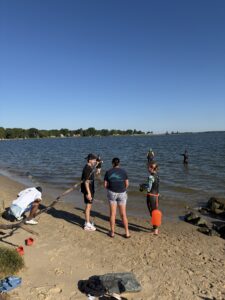
I’ve also stood on the other side of the equation as an athlete. During one race, the swim course was shortened because of dense fog and limited visibility. While it wasn’t the race I had originally anticipated, I was grateful that race officials prioritized athlete safety rather than forcing competitors into potentially dangerous conditions. Looking back, I appreciated their willingness to make a difficult but responsible decision. While athletes cannot control the weather, water conditions, or race-day decisions, there are many things they can control.
What You CAN Control on Race Day
Your preparation.
The miles you’ve logged, the workouts you’ve completed, and the consistency you’ve shown throughout your training cycle are already in the bank.
Your attitude.
Every athlete on the starting line faces the same conditions. The competitors who thrive are often the ones who adapt the quickest. Your effort. Whether the course is full distance, shortened, or altered, you still have the opportunity to give your best performance on that day.
Your sportsmanship.
Encouraging fellow athletes, thanking volunteers, and respecting race officials are all part of what makes our sport special.
Your gratitude. Every race day is a privilege. Being healthy enough to participate is something many athletes never take for granted.
The Finish Line Still Matters
If a swim is canceled due to unsafe conditions, you still trained for that swim.
If the bike course is shortened because of severe weather, you still completed every bike workout leading up to race day.
If the run course is adjusted due to extreme heat, you still earned your place at that finish line.
I’ve experienced both sides of these situations, and one thing remains true every time: the training doesn’t disappear because the course changes. The discipline, sacrifices, early alarms, and countless hours invested in preparation are still yours. Race-day modifications simply reflect the conditions of that particular day—not the effort you put in to get there.
Your medal doesn’t represent a specific distance. It represents your commitment, discipline, perseverance, and willingness to challenge yourself.
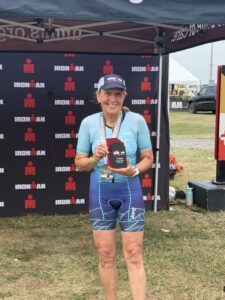
Those qualities are not measured by a course map.
They’re measured by the journey that brought you there.
Celebrate the Accomplishment
At Sonic Endurance, we believe every finish line tells a story.
Whether the race unfolded exactly as planned or required last-minute adjustments, crossing that finish line represents courage, commitment, and resilience.
Be proud of the work you’ve done. Be proud of your adaptability. And most importantly, be proud of the athlete you’ve become throughout the journey.
Because at the end of the day, success isn’t about controlling every circumstance.
It’s about showing up, adapting, and continuing forward, one mile at a time.