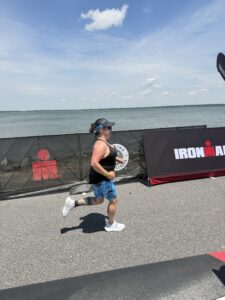
Unilateral strength training is a valuable tool for endurance athletes. Performing exercises one leg or one arm at a time. Because running is essentially a series of single-leg hops, and every stride during the run phase of a triathlon requires balance and force production on one leg, unilateral exercises closely mimic the demands of the sport while exposing and correcting strength asymmetries.
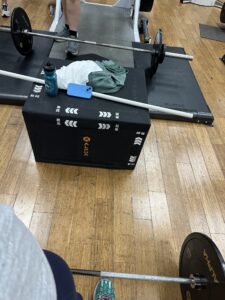
Why Unilateral Strength Training?During every running stride, the body must absorb impact forces of approximately two to three times body weight while maintaining stability through the foot, ankle, knee, hip, and trunk. If one side is weaker than the other, the stronger side often compensates, increasing injury risk and reducing running efficiency.
Benefits of unilateral training include:
- Improved balance and coordination
- Better hip and pelvic stability
- Reduced side-to-side strength imbalances
- Increased force production in each leg
- Greater core activation
- Improved running economy and stride efficiency
- Reduced risk of common overuse injuries such as IT band syndrome, patellofemoral pain, Achilles tendinopathy, and shin splints
Rather than replacing bilateral exercises like squats or deadlifts, unilateral work should complement them by targeting movement quality and stability.
Some Key Unilateral Strength Exercises:
1. Bulgarian Split SquatThe Bulgarian split squat is often considered one of the most effective exercises for runners because it simultaneously develops strength, balance, mobility, and hip stability.
Benefits include:
- Strengthens the quadriceps, glutes, and hamstrings
- Improves single-leg stability
- Enhances hip extension during push-off
- Corrects left-right strength differences
Perform 3–4 sets of 6–10 repetitions per leg using controlled movement.
2. Single-Leg Romanian DeadliftThis exercise develops the posterior chain, which is essential for propulsion and injury prevention.

Primary muscles:
- Gluteus maximus
- Hamstrings
- Lower back
- Foot stabilizers
The single-leg Romanian deadlift also improves proprioception and balance while teaching athletes to control pelvic position.
Perform 3 sets of 8–10 repetitions per leg.
3. Step-UpsStep-ups closely resemble the mechanics of climbing hills and maintaining running posture.
Focus on:
- Driving through the entire foot
- Controlling the lowering phase
- Avoiding pushing excessively with the trailing leg
Use a box approximately knee height.
Perform 3 sets of 8–12 repetitions per leg.
4. Walking LungesWalking lunges strengthen nearly every muscle involved in running while improving dynamic balance.
Benefits include:
- Increased hip mobility
- Greater stride control
- Improved glute activation
- Better coordination
Adding dumbbells progressively increases strength without compromising movement quality.
5. Single-Leg Glute BridgeWeak glutes often contribute to poor knee alignment and excessive hip drop during running.
Single-leg bridges improve:
- Hip extension strength
- Pelvic control
- Hamstring coordination
- Running posture
Perform 3 sets of 12–15 repetitions per side.
6. Single-Leg Calf RaisesThe calf muscles absorb and generate significant force during every stride.
Strong calves improve:
- Running economy
- Achilles tendon resilience
- Push-off power
- Foot stability
Slow eccentric lowering provides additional tendon benefits.
Perform 3 sets of 15–20 repetitions.
7. Lateral Step-DownsRunning occurs primarily in the sagittal plane, but controlling side-to-side movement is equally important.
Lateral step-downs strengthen:
- Gluteus medius
- Quadriceps
- Hip stabilizers
These muscles help prevent excessive knee valgus and improve pelvic control.
Don’t Forget the CoreA stable trunk allows the arms and legs to transfer force efficiently.

Excellent unilateral core exercises include:
- Suitcase carries
- Single-arm farmer’s carries
- Pallof presses
- Side planks with leg lift
- Bird dogs
Endurance athletes can benefit more from anti-rotation and stability exercises that mirror the demands of running.
How Often Should You Strength Train?This can depend on time, race schedule and age but in general:
- 2 sessions per week during most training phases
- 1 session per week during peak racing periods for maintenance
- 30–45 minutes per session
Heavy strength work should ideally follow harder running workouts rather than easy recovery days, allowing easier days to remain truly easy. There’s also a specific physiological rationale: heavy lifting mostly taxes the neuromuscular system and fast-twitch fibers, while hard cardio work taxes the aerobic/metabolic system. Stacking them means the interference between the two (where endurance work can blunt strength/hypertrophy signaling, or vice versa) happens once, on a day you’ve already budgeted for high stress, rather than compounding across separate days. This can also vary depending on the athlete and where they are with their season, injuries and age.
The strongest endurance athletes are not simply those who log the most miles—they are the ones who balance training stress with intelligent strength work and purposeful recovery.