Triathlon is a sport built on details. Training plans, nutrition, recovery, and race strategy all matter—but so does your gear. Wetsuits stretch, shoes break down, and even the most trusted bike components wear out over time. Knowing when to replace your triathlon gear isn’t about chasing the latest technology; it’s about safety, comfort, and performance.
Replacing equipment at the right time can prevent injury, avoid race‑day surprises, and ensure that your hard-earned fitness actually shows up on the course. Here’s a practical guide on how to recognize when it’s time to move on from well-loved gear.
The Big Picture: Performance, Safety, and Feel
Before diving into specific items, ask yourself three simple questions:
- Does this equipment still perform as intended?
- Is it still safe and structurally sound?
- Does it feel good to use?
If the answer to any of those is “no,” it’s probably time to consider a replacement—even if the gear hasn’t hit a typical lifespan benchmark. This is especially true with sneakers and especially carbon plated shoes, since they cannot have as many miles on them. While there is an expense to updating your equipment, the reality is that it can save you in the long run.
Wetsuit: Performance Meets Comfort
A well-fitting wetsuit can save minutes in the water—but only if it’s in good condition.
Typical lifespan: 3–7 years (depending on use and care)
Replace when:
- Neoprene loses flexibility
- Persistent chafing or poor fit
- Tears that affect structure or buoyancy
- Noticeable water flushing inside the suit
Even small degradation can impact body position and efficiency.
Goggles: Cheap but Critical
Goggles are often overlooked because they’re inexpensive—but bad goggles can ruin a race.
Replace when:
- Lenses are scratched or fog constantly
- Straps lose elasticity
- Leaks become consistent
If you’re adjusting goggles mid-swim, you’ve already lost focus and time.
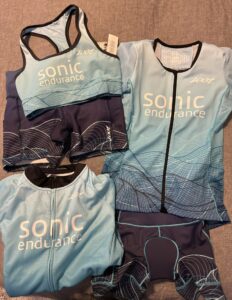
Tri Kit: Function Over Fashion
Tri kits are designed for performance across all three disciplines.
Typical lifespan: 1–3 seasons depending on usage
Replace when:
- Chamois loses support
- Fabric becomes thin or see-through
- Seams start to chafe
- Fit changes
A worn-out kit can turn a solid race into a long, uncomfortable grind.
Bike Components: Marginal Gains (or Losses) Add Up
You don’t need a new bike every few years—but your components absolutely need attention.
Chain
Lifespan: ~2,000–3,000 miles
A worn chain stretches and can damage your cassette and chainrings.
Replace when:
- Chain checker tool shows wear
- Shifting becomes less crisp
Cassette & Chainrings
Lifespan: 2–3 chains (if maintained well)
Replace when:
- Skipping under load
- Teeth look worn or “shark-toothed”
Tires
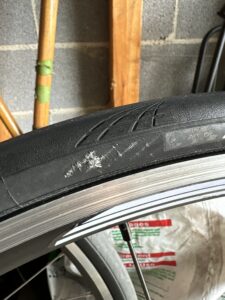
Lifespan: 1,000–3,000 miles depending on conditions
Replace when:
- Visible wear or flat spots
- Frequent flats
- Cracking in rubber
Brake Pads (rim or disc)
Replace when:
- Worn down indicators reached
- Braking performance is reduced
Neglecting these small components doesn’t just affect speed—it can lead to mechanical failures mid-race.
Helmet: It’s Not Just About Crashes
Helmets don’t last forever—even if you’ve never crashed.
Lifespan: 3–5 years
Foam materials degrade over time due to sweat, UV exposure, and temperature changes.
Replace when:
- After any crash (non-negotiable)
- Cracks, dents, or compressed foam
- Straps or retention system wear out
Aerodynamic gains don’t matter if safety is compromised.
Bike Shoes and Cleats: Power Transfer Happens Here
These wear down gradually, but can significantly affect comfort and efficiency
Replace when:
- Shoes no longer feel secure
- You have trouble clipping in or out
- You feel new or different lower body discomfort
Replacing them can restore proper fit, power transfer, and injury-free movement.
Bike Fit: The Most Overlooked “Upgrade”
This isn’t equipment—but it’s just as important.
If your body changes (strength, flexibility, injuries), your fit should too.
Reassess your bike fit when:
- You experience new discomfort or pain
- You’ve significantly changed training volume
- You’ve upgraded key components (saddle, shoes, crank length)
An outdated fit can waste watts and increase injury risk more than any old component.
Running Shoes: The Silent Performance Killer
Running shoes are the most frequently replaced piece of triathlon gear—and for good reason.
Lifespan: 300–500 miles
Over time, midsole foam breaks down, even if the shoes still look fine. This leads to reduced shock absorption and can subtly change your biomechanics.
Signs it’s time to replace:
- Legs feel more fatigued than usual after running
- New aches or pains (especially in knees, shins, or feet)
- Flattened or uneven midsoles
- Loss of “pop” or responsiveness
For triathletes, worn shoes can compromise not just your run, but your overall recovery between sessions.

Rotate 2–3 pairs to extend lifespan and reduce injury risk, if you are running in a performance shoe – make sure that you are doing some of the training runs in it as well.
Technology: Watches, Power Meters, and Sensors
Tech evolves quickly—but that doesn’t mean you need every upgrade.
Replace when:
- Data becomes unreliable or inconsistent
- Battery life significantly degrades
- Features no longer meet your training needs
If your watch dies mid-session or your power meter gives questionable data, your training quality suffers.
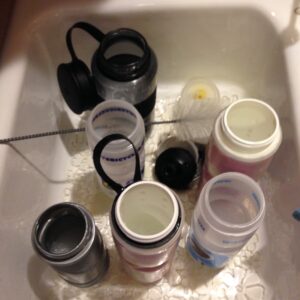
Accessories: Hydration systems, bottles, and nutrition containers
Race‑day fueling depends on equipment you can trust not to give you GI issues.
Replace when:
- They are difficult to clean or have visible mold
- Retain odors
- Leak or have cracks
The Bottom Line: Replace with Purpose, Not Panic
Replacing triathlon gear doesn’t mean constantly upgrading—it means being honest about wear and performance. If gear no longer fits properly, functions reliably, or supports your training goals, it’s costing you more than it’s saving.
A good habit is to evaluate your equipment at the start of each season (or more often as necessary). Check fit, condition, and comfort, and prioritize replacements that affect safety and injury prevention first. You can also track milage on running shoes and bike components using apps like Strava or Training Peaks. Well‑timed gear updates keep your focus where it belongs: on training smart and racing strong.